Buying or insuring a car without a driver’s license can be confusing. Many people assume that you must have a valid driver’s license before an insurance company will sell you an auto insurance policy. However, being licensed to drive and being able to insure a vehicle are not always the same thing.
In the United States, insurance rules can vary by state and by insurer. In some situations, you may be able to purchase car insurance even if you don’t currently have a driver’s license. However, the process can be more complicated, and you may need to explain who will actually drive the vehicle.
Whether you’re buying a car for a family member, have a suspended license, have a learner’s permit, or simply own a vehicle that you don’t personally drive, understanding your options can help you avoid coverage problems.
Can You Get Car Insurance Without a Driver’s License?
Yes, it may be possible to get car insurance without holding a valid driver’s license. However, not every insurance company will offer a policy under these circumstances.
Insurance companies generally want to know who owns the vehicle, who will drive it, and what risks they are being asked to insure. If you don’t have a license because you don’t drive, you may still have a legitimate reason to insure a vehicle.
For example, you might own a car that is primarily driven by:
- Your spouse
- An adult child
- A caregiver
- Another household member
- A designated licensed driver
In these situations, the insurer may be able to structure the policy around the licensed driver who will actually operate the vehicle.
The important point is that you should never provide inaccurate information simply to obtain a policy. The insurer needs accurate information about ownership, drivers, and vehicle use.
Why Would Someone Need Insurance Without a License?
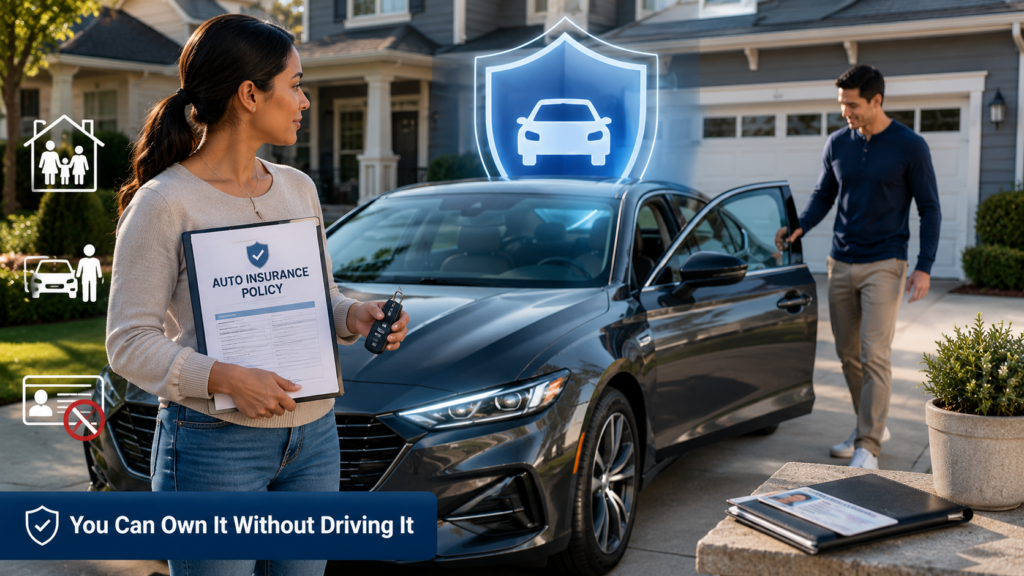
There are several legitimate reasons someone might need insurance even though they don’t have a driver’s license.
You Own a Car but Don’t Drive
A person may own a vehicle but rely on another individual for transportation. For example, an elderly vehicle owner might no longer drive but still own a car that a family member operates.
The vehicle may still need insurance if it is registered and driven on public roads.
You’re Buying a Car for Someone Else
Parents sometimes purchase vehicles for their children, while the child is the primary driver.
In this situation, the insurance company needs to know that the child is the person who will regularly drive the vehicle. The policy should accurately reflect the actual driving arrangement.
Your License Is Suspended
A suspended license can make getting insurance more difficult, but it doesn’t necessarily mean you cannot insure a vehicle.
You may need insurance for reasons unrelated to driving, such as maintaining coverage on a financed vehicle or keeping insurance on a car that another licensed person drives.
However, having insurance does not give you permission to drive while your license is suspended.
You Have a Learner’s Permit
A learner’s permit is different from having no driving authorization at all.
Many insurers can provide coverage for drivers with learner’s permits, although the rules can vary depending on the state and insurance company. The permitted driver may also need to follow specific supervision requirements while learning to drive.
Can You Register a Car Without a Driver’s License?
This is a separate question from whether you can insure a vehicle.
Vehicle registration requirements are determined by the state where the vehicle is registered. A driver’s license may or may not be required for registration, depending on the state’s rules and the individual’s circumstances.
This means you should not assume that obtaining insurance automatically means you can register the vehicle—or that being able to register it means you’re legally allowed to drive it.
When buying a vehicle, consider these as separate requirements:
Vehicle ownership → Registration → Insurance → Legal driving authorization
Each can have its own rules.
Can You Get Insurance if Someone Else Will Drive Your Car?
This is one of the more common situations where someone without a driver’s license may need insurance.
Suppose you own a vehicle but your spouse is the person who drives it every day. You should tell the insurer about the actual primary driver.
Depending on the insurer’s underwriting rules, you may be able to list the licensed driver as the primary operator while remaining the vehicle owner or policyholder.
The insurance company may ask questions about:
- Who owns the vehicle
- Who primarily drives it
- Where the vehicle is kept
- How often it is driven
- The driver’s license status
- The driver’s driving history
- Whether other household members have access to the vehicle
Providing complete and accurate information is especially important because incorrect driver information can create problems when filing a claim.
What If You Don’t Have a License Because You Don’t Drive?
If you don’t drive at all, tell the insurance company.
Some insurers may allow you to remain the policyholder while identifying another person as the primary driver. Others may have different requirements or may not offer this arrangement.
You may also be asked to exclude yourself from driving the vehicle.
An excluded driver generally means the policy does not provide coverage if that person operates the vehicle, subject to the state’s laws and the policy’s terms.
If you choose this type of arrangement, take it seriously. Driving a vehicle when you are excluded can create significant coverage problems after an accident.
Can You Get Car Insurance With a Suspended License?
Possibly, but it can be more challenging.
An insurer may consider why your license was suspended and whether you need insurance for another driver or for a vehicle that you don’t personally operate.
In some circumstances, people with suspended licenses may also need a special type of filing or proof of financial responsibility to satisfy state requirements before their driving privileges can be restored.
The exact requirements depend on the state and the reason for the suspension.
Most importantly, an insurance policy does not restore a suspended license. You must follow the state’s process for getting your driving privileges reinstated.
What Type of Insurance Should You Consider?
If you own a vehicle that someone else drives, you may still want appropriate protection for the car and potential liability.
Depending on your situation, coverage could include:
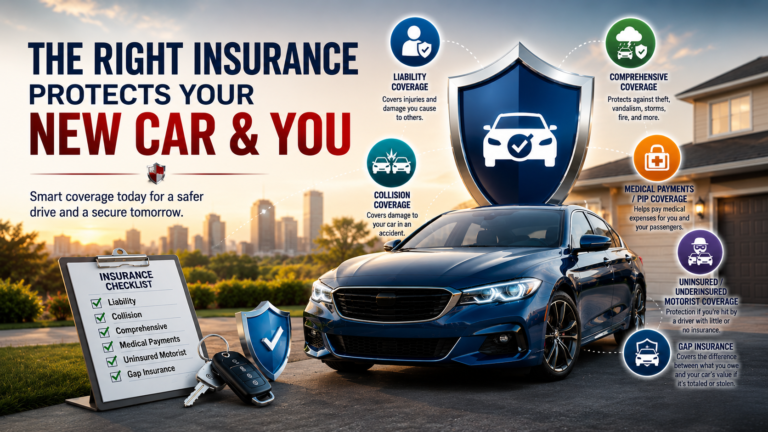
Liability Coverage
Liability insurance can help cover injuries or property damage you cause to others when an insured driver is legally responsible for an accident.
Collision Coverage
Collision coverage can help pay for covered damage to the insured vehicle resulting from a collision, subject to the policy deductible.
Comprehensive Coverage
Comprehensive coverage can help protect against certain non-collision losses, such as theft, vandalism, fire, hail, or falling objects, depending on the policy.
Uninsured and Underinsured Motorist Coverage
This coverage can provide protection in situations involving drivers who have no insurance or insufficient insurance, depending on state law and policy terms.
If the vehicle is financed or leased, the lender may require specific coverage regardless of whether you personally drive the vehicle.
How to Get Insurance Without a License
If you’re in this situation, don’t start by simply requesting the cheapest insurance quote.
Instead, explain your circumstances to the insurer.
Tell them:
- You own or plan to purchase the vehicle.
- You do not currently have a driver’s license.
- Whether you personally intend to drive the vehicle.
- Who will be the primary driver.
- Whether that person has a valid driver’s license.
- Whether the vehicle is financed or leased.
The insurer can then tell you whether it can offer coverage and what policy structure is appropriate.
You may need to provide identification, vehicle information, registration details, and information about the licensed driver.
Does Having No License Make Insurance More Expensive?
It can.
Insurance pricing depends on many factors, including the driver’s age, driving history, location, vehicle, coverage levels, claims history, and other underwriting factors.
If the person listed as the primary driver has a poor driving record, the premium could be higher. On the other hand, if you don’t drive and another licensed household member is the actual driver, the insurer may evaluate the policy based largely on that driver’s risk profile.
There is no single nationwide price for someone without a license.
You may be able to get car insurance without a driver’s license, but it depends on your situation, state requirements, and the insurance company’s rules.
The key is to clearly explain why you need insurance and who will actually drive the vehicle. If another person will operate your car, that driver should be properly disclosed to the insurer.
Remember that car insurance and a driver’s license serve different purposes. Insurance provides financial protection under the terms of a policy, while a driver’s license gives a person legal authorization to drive.
If your license is suspended, revoked, or you have never been licensed, don’t assume that purchasing insurance makes it legal for you to drive. Always follow your state’s licensing requirements.
Before purchasing a policy, compare the coverage offered, understand who is covered, check any driver exclusions, and make sure all information provided to the insurer is accurate. That approach can help you avoid an expensive coverage dispute later.