Selling your car is usually a straightforward process: find a buyer, sign the paperwork, hand over the keys, and complete the title transfer.
But there is one thing you shouldn’t forget after the sale: your auto insurance.
Selling a vehicle doesn’t automatically mean you should simply stop paying for insurance. What happens to your policy depends on whether you’re replacing the car, keeping another vehicle, or getting rid of your only vehicle.
In most cases, the right approach is to contact your insurance company as soon as the sale is completed and tell them exactly what happened. The insurer can then explain whether you should remove the vehicle, transfer coverage to another car, adjust the policy, or cancel it entirely.
Here’s what you should know before handing over the keys.
Does Your Car Insurance Automatically End When You Sell the Car?
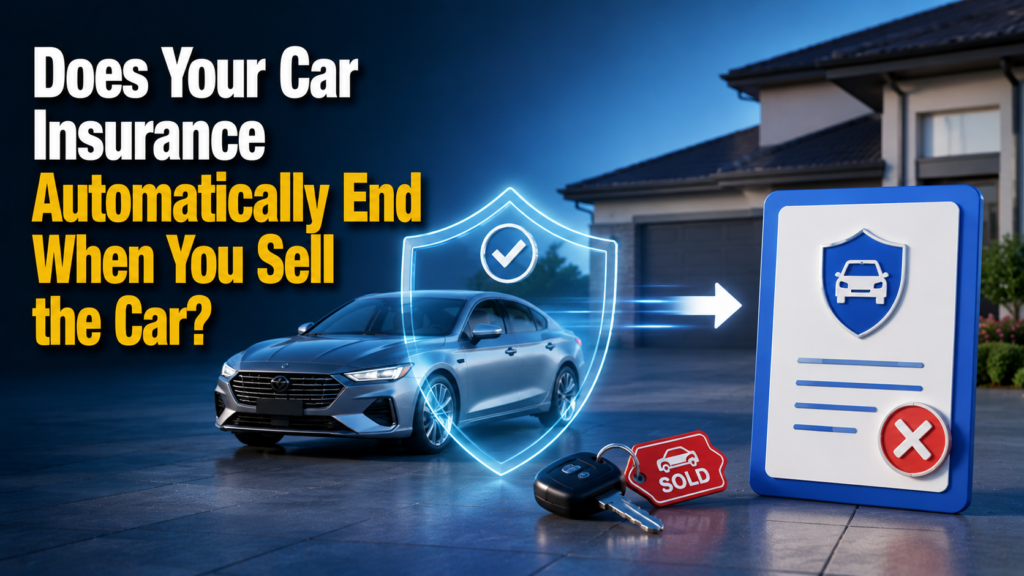
Usually, no.
Selling your vehicle doesn’t necessarily cancel your auto insurance policy automatically. Your insurance company may continue billing you until you make the appropriate changes or cancellation request.
That’s why I wouldn’t assume that the policy disappears just because you no longer own the car.
Your insurance policy is a contract between you and the insurer. If you’ve sold the vehicle, contact the insurer and provide the date of the sale.
Depending on your situation, they can tell you what needs to happen next.
Tell Your Insurance Company About the Sale
One of the first things you should do after selling your car is contact your insurance company or agent.
Provide information such as:
- Date the vehicle was sold
- Vehicle identification information
- Buyer information if requested
- Whether you purchased another vehicle
- Whether you still own another insured vehicle
- Whether you want to keep or cancel the policy
It’s a good idea to keep documentation showing that you sold the vehicle.
For example, keep a copy of the bill of sale, title-transfer paperwork, or other records related to the transaction.
If there is ever a question about when you stopped owning the vehicle, having documentation can be helpful.
What If You’re Buying Another Car?
This is probably the most common situation.
You sell your old vehicle and purchase another one shortly afterward.
In that case, you may not need to cancel your entire auto insurance policy.
Instead, your insurer may be able to remove the old vehicle and add the replacement vehicle to the policy.
However, don’t assume the new vehicle has exactly the same coverage automatically.
The replacement car may have a different value, financing arrangement, safety features, or insurance risk.
Your premium could therefore change.
Before driving the new vehicle, make sure you understand when coverage begins and what protection applies to it.
What If You Already Have Another Car?
Suppose you sell your second vehicle but continue owning your primary car.
In this situation, you may simply need to remove the sold vehicle from your policy.
Your insurance premium may decrease because you’re no longer insuring that vehicle, although the exact change depends on your policy and circumstances.
This is another reason not to cancel the entire policy without speaking with your insurer.
If another vehicle remains insured, you may still need the policy.
What If the Sold Car Is Your Only Vehicle?
This situation requires a little more thought.
If you sell your only car and don’t plan to buy another one immediately, you might consider canceling your auto policy.
But there can be consequences to having a gap in your insurance history.
Depending on your future situation and insurer, a lapse in coverage could make getting insurance later more difficult or potentially more expensive.
You also need to consider whether you’ll drive another vehicle during the period when you don’t own a car.
If you plan to borrow a family member’s car or rent vehicles regularly, ask your insurer whether another type of coverage may be appropriate for your circumstances.
Don’t cancel first and figure everything out later.
Should You Cancel Insurance Before Selling the Car?
Generally, I wouldn’t cancel your coverage simply because you’ve listed the vehicle for sale.
Until the vehicle is actually sold and you no longer have responsibility for it, maintaining appropriate coverage can be important.
Imagine you cancel the policy on Monday because you expect to sell the car on Tuesday, but the sale falls through and you continue driving the vehicle.
You could accidentally create a coverage problem.
A safer approach is to keep your insurance active until the transaction is actually completed, then contact your insurer and make the appropriate change.
The exact requirements can vary by state and policy, so confirm the details with your insurer.
What Happens If the Buyer Drives Away in Your Car?
This is another reason timing matters.
Once you sell a vehicle, the buyer may need their own insurance and must comply with their state’s registration and insurance requirements.
You shouldn’t assume that your policy will simply follow the vehicle to the new owner.
Before completing the transaction, make sure you understand your state’s requirements for title transfer, registration, license plates, and insurance.
You should also complete the sale documentation carefully.
If the buyer doesn’t properly transfer ownership, you don’t want to be left with uncertainty about whether you’re still responsible for the vehicle.
Can You Get a Refund After Selling Your Car?
Possibly.
If you paid your insurance premium in advance and remove the vehicle or cancel the policy before the end of the paid period, you may be entitled to a refund of some unused premium.
However, the amount and eligibility depend on your insurer, policy terms, billing arrangement, and state requirements.
Don’t assume you’ll automatically receive money back.
Ask your insurer:
“I sold my vehicle on this date. What happens to the unused premium?”
They can explain whether there is a refund, credit, or adjustment.
What Happens to Your Registration and Plates?
Insurance isn’t the only thing you need to handle after selling a vehicle.
You may also need to take care of the vehicle’s registration and license plates depending on your state.
Rules differ across the United States.
Some states require sellers to return plates, while others have different procedures for transferring or retaining them.
You should check your state’s motor-vehicle agency requirements rather than assuming the process is the same everywhere.
The same applies to title paperwork.
Keep copies of important documents related to the sale.
What If You Have a Car Loan?
If the vehicle you’re selling still has an outstanding auto loan, the process can be more complicated.
The lender generally has a financial interest in the vehicle until the loan is paid off.
Before selling the car, find out your current loan payoff amount.
If the buyer’s purchase price is enough to cover the payoff, the loan can generally be satisfied as part of the transaction according to the lender’s procedures.
But if you owe more than the vehicle is worth, you have negative equity.
For example:
- Loan payoff: $18,000
- Sale price: $15,000
- Difference: $3,000
You would still need to address that $3,000 difference before the lender’s lien can be properly released.
Don’t assume selling the vehicle automatically eliminates the loan.
The insurance change and loan payoff are two separate issues.
What If You Trade In Your Car?
Trading in a vehicle is slightly different from selling it privately, but you still need to make sure your insurance information is updated.
If you’re replacing the old car with another vehicle through a dealer, tell your insurer about the change.
Provide the details of the replacement vehicle and ask when coverage applies.
If you’re financing the new vehicle, the lender may require certain types and amounts of insurance coverage.
Your new vehicle may therefore have different insurance requirements from the car you traded in.
Don’t Forget About Comprehensive and Collision Coverage
When you sell a vehicle, the coverage attached to that vehicle may no longer be necessary once you no longer own it.
For example, if you previously carried comprehensive and collision coverage on an older car, those coverages may be removed when the vehicle is sold.
But don’t make this decision based solely on the age of the vehicle.
If you’re purchasing another car, especially one financed with an auto loan, you may need to maintain broader coverage on the replacement vehicle.
Your lender’s requirements and your own financial situation both matter.
What If You Sell the Car but Keep the Insurance?
Leaving the sold vehicle on your insurance policy may result in you continuing to pay for coverage you no longer need.
More importantly, it can create confusion if you later need to make a claim.
Once the sale is complete, contact the insurer and make sure its records accurately reflect what you own.
Don’t rely solely on an automatic policy update.
Ask for confirmation that the vehicle has been removed or the policy has been changed.
Keep Proof of the Insurance Change
After contacting your insurer, keep confirmation of what was changed.
Save:
- Emails
- Policy documents
- Cancellation confirmation
- Updated declarations page
- Refund information
- Call reference numbers
- Bill of sale
- Title-transfer documents
This paperwork may seem unnecessary when everything goes smoothly.
But if a billing or coverage dispute happens later, having documentation showing exactly when you reported the sale can make the situation much easier to resolve.
Common Mistakes to Avoid
Selling a car is already a busy process, so it’s easy to forget insurance.
Here are some mistakes worth avoiding:
Canceling insurance before the vehicle is actually sold: This can leave you without coverage while you still own and drive the car.
Forgetting to remove the sold vehicle: You could continue paying for unnecessary coverage.
Assuming the buyer is covered by your policy: The buyer’s insurance and ownership requirements are separate issues.
Ignoring a remaining car loan: Selling the vehicle doesn’t automatically eliminate the outstanding loan balance.
Forgetting about another vehicle: If you own another car, you may still need your existing auto policy.
Not checking for a premium refund: You may have prepaid for coverage you no longer need.
Failing to keep sale documentation: Keep proof of the transaction and insurance changes.
Selling your car doesn’t automatically cancel your auto insurance.
The right next step depends on what you’re doing after the sale.
If you’re buying another vehicle, you may be able to replace the old car on your existing policy. If you still own another vehicle, you may simply need to remove the sold car. If you’re giving up car ownership entirely, you may have the option to cancel the policy, but you should consider the potential consequences of an insurance lapse before doing so.
The safest approach is simple: complete the sale, document the transaction, and contact your insurance company promptly.
Tell them when the vehicle was sold and what you’re doing next. Ask about coverage changes, refunds, cancellation requirements, and any other vehicles on your policy.
A few minutes spent updating your insurance can help you avoid paying for coverage you no longer need while also preventing an accidental gap in coverage.