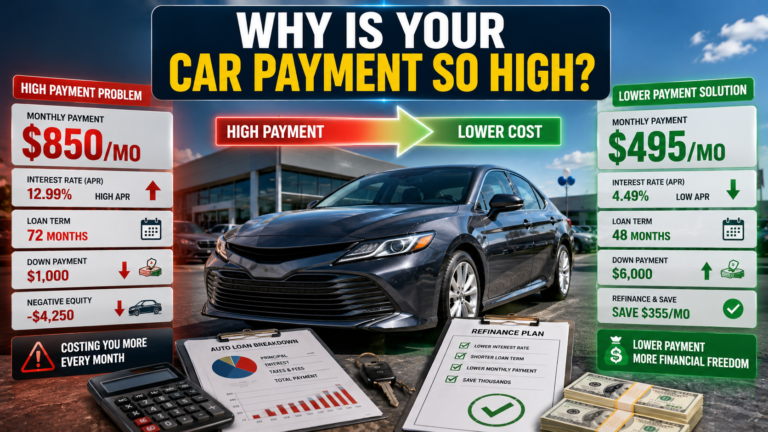
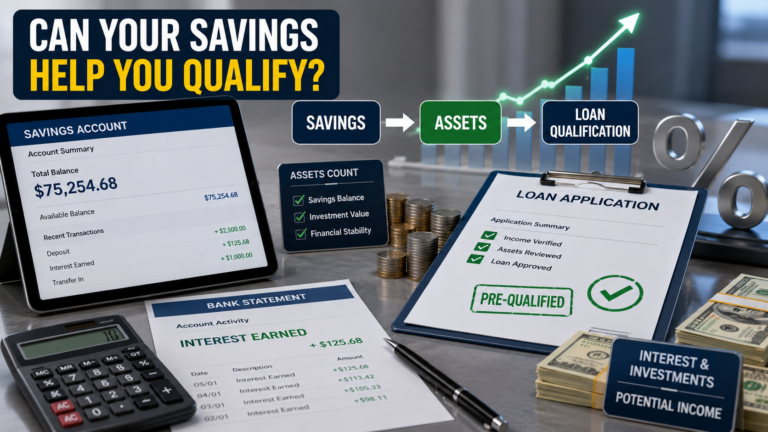
Buying a car is a major financial decision, and the interest rate on your auto loan can make a significant difference in how much you ultimately pay. Two borrowers can finance similar vehicles for the same amount but end up paying very different totals because of their loan terms and interest rates.
The good news is that you don’t necessarily have to accept the first financing offer you receive at a dealership. Comparing lenders, improving your credit profile, choosing the right loan term, and getting approved can help you find a more competitive car loan rate.
Here’s how to approach the process if you’re shopping for a car in the United States.
What Is a Low Interest Rate on a Car Loan?
A low interest rate is a rate that is competitive for your particular borrower profile and current lending environment.
There isn’t one interest rate that qualifies as “low” for everyone. Auto lenders typically consider factors such as:
- Credit score and credit history
- Income and employment
- Debt obligations
- Loan amount
- Down payment
- Vehicle age
- New versus used vehicle
- Loan term
- Whether the vehicle is being purchased from a dealer or private seller
Someone with excellent credit may qualify for rates that aren’t available to someone with limited or damaged credit.
That’s why it’s more useful to compare the offers you personally qualify for rather than relying on a single advertised rate.
Check Your Credit Before Applying
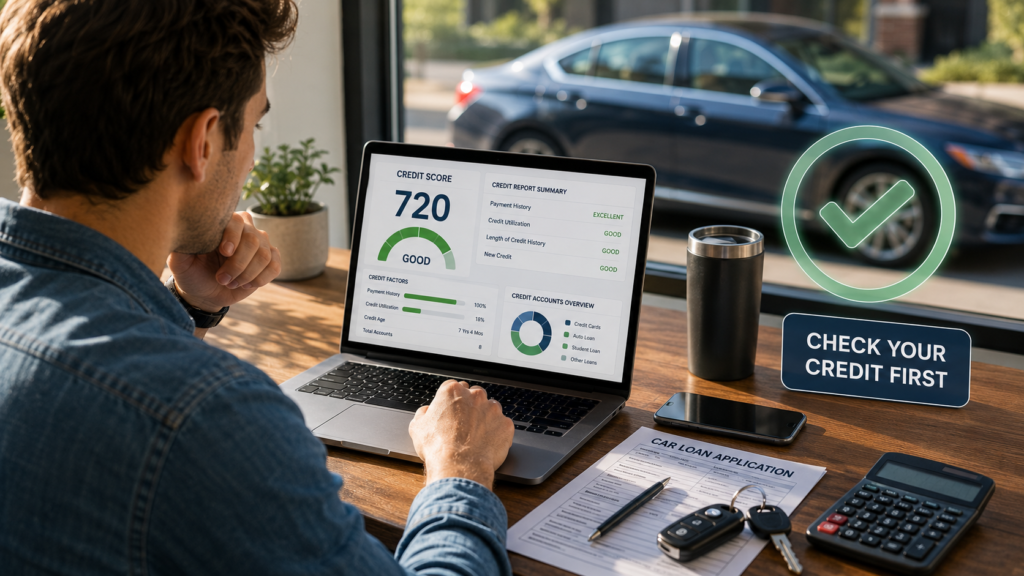
One of the most important steps you can take before shopping for an auto loan is checking your credit.
Your credit history can have a substantial effect on the interest rate a lender offers. A stronger credit profile generally gives you more opportunities to qualify for favorable financing.
Before applying, review your credit reports for potential errors or outdated information. If you find something incorrect, getting it addressed before applying for a major loan may be worthwhile.
Also look at your existing debts and monthly obligations. Knowing your financial position beforehand can help you set a realistic car budget.
Compare Multiple Car Loan Lenders
Don’t assume the dealership’s financing department will automatically give you the best rate.
You can compare financing options from different types of lenders, including:
Banks
Traditional banks may offer auto loans to existing and new customers. If you already have a relationship with a bank, it’s worth asking what rates and terms you may qualify for.
Credit Unions
Credit unions can be another option for auto financing. Membership requirements vary, but some borrowers find credit unions competitive for vehicle loans.
Online Lenders
Online lenders can make it easier to compare loan offers without visiting multiple physical branches. However, you should carefully review the lender’s terms, fees, and eligibility requirements.
Dealership Financing
Dealerships often work with multiple financing sources and may offer manufacturer-sponsored financing promotions on certain vehicles.
Dealer financing can be convenient, but don’t assume convenience means the offer is the cheapest.
The best strategy is to compare the dealership’s offer with outside financing.
Get Preapproved Before Going to the Dealership
Getting approved for an auto loan can give you a useful benchmark before you negotiate the purchase.
A preapproval can help you understand:
- How much you may be able to borrow
- Your estimated interest rate
- Potential monthly payments
- Possible loan terms
- Your approximate financing budget
It can also make it easier to focus on the price of the vehicle rather than allowing the conversation to revolve entirely around the monthly payment.
For example, a dealer might make a higher-priced vehicle appear affordable by extending the loan term. Looking at your approved rate and total borrowing cost can help you evaluate the deal more objectively.
Compare APR, Not Just the Interest Rate
When comparing auto loans, pay attention to the Annual Percentage Rate (APR).
The interest rate represents the cost of borrowing, while APR can incorporate certain additional costs associated with the loan.
When evaluating offers, compare the APR, loan amount, term, monthly payment, and total amount you’ll repay.
A loan with a slightly lower monthly payment isn’t necessarily cheaper if it requires you to make payments for several additional years.
Choose a Shorter Loan Term When You Can Afford It
Loan term is another major factor in the overall cost of financing.
Common auto loan terms can range from a few years to six years or longer.
A longer term can reduce your monthly payment, but you’ll generally make payments for a longer period and may pay more interest over the life of the loan.
A shorter term usually means higher monthly payments but can reduce the total interest you pay.
For example, imagine borrowing $30,000 at a hypothetical 6% APR.
A shorter loan term would generally result in a higher monthly payment but less total interest. Extending the same loan over a longer period would lower the monthly payment while increasing the overall interest cost.
Before choosing a term, make sure the monthly payment fits comfortably within your budget.
Make a Larger Down Payment if Possible
A larger down payment reduces the amount you need to borrow.
For example, if you’re buying a $35,000 vehicle and put $7,000 down, you’re financing less than if you put only $2,000 down.
Borrowing less can reduce your total interest cost and may also make it easier to maintain positive equity in the vehicle.
However, don’t drain your emergency savings just to make a large down payment.
A sensible down payment should balance the benefits of borrowing less with the need to maintain enough cash for unexpected expenses.
Look for Manufacturer Financing Offers
If you’re buying a new vehicle, check whether the manufacturer is offering special financing incentives.
Some automakers periodically advertise promotional APR offers for qualified buyers on selected models.
These offers can sometimes be significantly more competitive than standard financing, but eligibility requirements may be strict.
You may need excellent credit, and the promotional rate may only apply to certain vehicles, loan terms, or regions.
Read the financing conditions carefully instead of assuming every buyer qualifies.
Don’t Focus Only on the Monthly Payment
One of the biggest mistakes car buyers make is choosing financing based only on the monthly payment.
A $500 monthly payment may sound better than a $650 payment, but the $500 option could involve a substantially longer loan term.
Always look at the complete financing picture:
Vehicle price + down payment + APR + loan term + fees + total interest = true financing cost
This approach can help you avoid stretching a car loan longer than necessary simply to make the monthly payment fit your budget.
Negotiate the Car Price Separately From Financing
When possible, treat the vehicle purchase and financing as two separate negotiations.
First, determine whether the vehicle’s selling price is reasonable.
Then evaluate the financing offer.
This makes it easier to identify whether you’re actually getting a good deal or whether a low monthly payment is simply the result of a longer loan term.
Also pay attention to additional products offered during the financing process, such as extended warranties, service contracts, and other optional protections. These can increase the amount financed.
Consider Buying a Less Expensive Vehicle
Sometimes the easiest way to reduce the cost of an auto loan isn’t finding a slightly lower rate—it’s borrowing less money.
Choosing a less expensive vehicle can reduce:
- Monthly payments
- Total interest
- Required down payment
- Financial pressure
- Risk of owing more than the vehicle is worth
A competitive interest rate is valuable, but borrowing an amount that comfortably fits your budget is just as important.
Be Careful With Long-Term Car Loans
Long-term auto loans have become increasingly common because they make expensive vehicles appear more affordable on a monthly basis.
However, financing a vehicle for a very long period can create several problems.
Your vehicle depreciates while you’re making payments. If the car loses value faster than you reduce the loan balance, you could owe more than the vehicle is worth.
This situation can make it harder to sell or trade in the vehicle without bringing additional money to the transaction.
Before accepting a long loan term, consider whether the lower monthly payment is worth the additional interest and longer period of debt.
How to Find the Best Car Loan Rate
A practical approach is to follow these steps:
1. Check your credit.
Understand your credit profile before applying.
2. Set your car budget.
Determine how much you can comfortably afford.
3. Compare lenders.
Check banks, credit unions, online lenders, and dealership financing.
4. Get approved.
Use a preapproval as a benchmark when shopping.
5. Compare APRs and terms.
Don’t compare monthly payments alone.
6. Consider a larger down payment.
Borrow less if doing so doesn’t leave you financially vulnerable.
7. Look for promotional financing.
Check whether the manufacturer offers special rates for qualified buyers.
8. Read the entire loan agreement.
Understand the rate, term, fees, payment schedule, and total repayment amount before signing.
Finding a car loan with a low interest rate isn’t simply about finding the lowest advertised number.
Your credit profile, loan amount, vehicle, loan term, down payment, and lender can all affect the offer you receive. Shopping around before you buy gives you more information and puts you in a stronger position to compare financing options.
For many buyers, getting approved, comparing multiple lenders, choosing a reasonable loan term, and negotiating the vehicle price separately can make the financing process much easier.
Most importantly, choose a loan based on its total cost—not just the monthly payment. A slightly higher payment on a shorter, more affordable loan could save you considerably more money over time.
Before signing, make sure you understand exactly how much you’re borrowing, what APR you’re receiving, how long you’ll make payments, and how much you’ll repay in total. That final review can be just as important as finding the initial interest rate.